

Which Heating System Should You Choose After the Gas Boiler Ban? (Expert Buyer’s Guide)
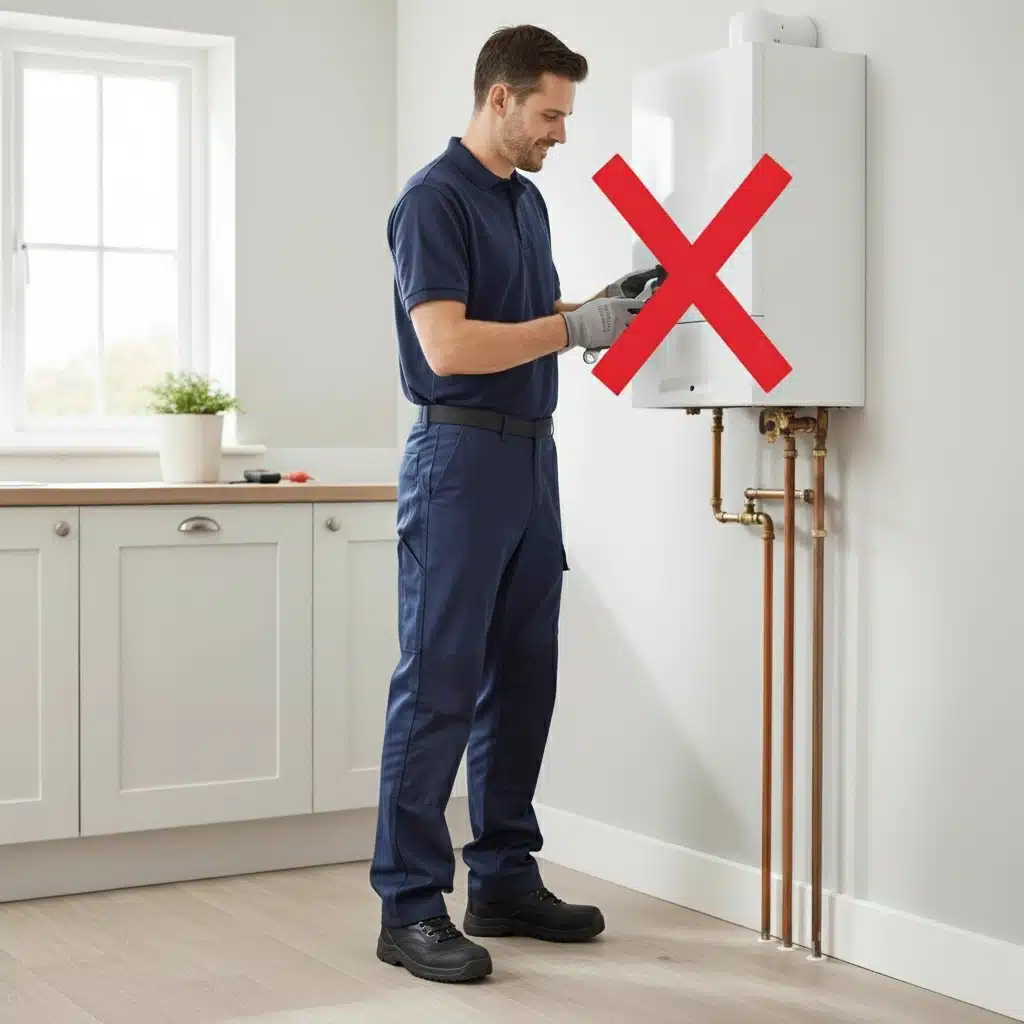
If you’ve been worrying about the gas boiler ban forcing you to rip out your heating system, here’s some good news: the 2035 gas boiler ban for existing homes has been scrapped. The government has reversed this policy, meaning you won’t be forced to replace your current gas boiler just because of the date on the calendar.
However, the heating landscape is still changing, and it’s worth understanding your options. Whether you’re planning a new home, facing a boiler replacement, or simply want to future-proof your heating system, this guide will help you make the right choice for your Aylesbury or Buckinghamshire property.
What’s Actually Happening with Gas Boilers?
Let’s clear up the confusion around gas boiler regulations. Here’s what’s actually in place right now:
For full policy context, see the official Heat and Buildings Strategy.
For existing homes: Your gas boiler can stay put. There’s no requirement to replace it, and you can continue using it normally. When it eventually breaks down and needs replacing, you’ll have more heating options to consider, but you’re not being forced into anything immediately.
For new builds: Since 2025, new homes cannot have gas boilers installed. Developers must choose low-carbon heating alternatives instead. This affects new construction projects but doesn’t touch existing properties.
For boiler replacements: When your current boiler reaches the end of its life, you might want to consider low-carbon alternatives, especially with government grants available to help with costs.
The key point? No one’s coming to force you out of your current heating system. This is about giving you choices when the time comes to upgrade.
Your Heating System Options Explained
Gas Boilers (Still Available)
Despite all the ban talk, gas boilers remain the most popular and affordable heating option for existing homes. Modern gas boilers are incredibly efficient, often achieving 90%+ efficiency ratings, and they’re familiar technology that most heating engineers can service and repair easily.
Pros:
- Lowest upfront cost
- Familiar technology with widespread engineer support
- Instant hot water and responsive heating
- Compact design fits in most properties
Cons:
- Relies on fossil fuels
- Subject to gas price fluctuations
- May face restrictions in future regulations

Air Source Heat Pumps
Air source heat pumps extract warmth from outdoor air (yes, even in winter) and use it to heat your home. Think of it as a reverse refrigerator: instead of removing heat, it captures and amplifies it.
These systems work efficiently down to about -15°C, making them suitable for UK weather. They’re currently the government’s preferred alternative to gas boilers.
Pros:
- Very low running costs once installed
- Eligible for government grants (up to £7,500)
- Works for heating and cooling
- Long lifespan (15-20 years)
Cons:
- High upfront costs (£8,000-£18,000)
- Requires outdoor space for the unit
- May need radiator upgrades for optimal efficiency
- Less effective in poorly insulated homes

Ground Source Heat Pumps
Ground source heat pumps tap into the earth’s natural temperature through buried pipes in your garden. The ground temperature stays fairly constant year-round, making these systems very efficient.
Pros:
- Lowest running costs of any heating system
- Very reliable and long-lasting
- Invisible once installed
- Works in any weather
Cons:
- Highest installation costs (£15,000-£30,000)
- Requires significant garden space
- Major disruption during installation
- Not suitable for all soil types
Hydrogen Boilers
Hydrogen boilers are essentially gas boilers that burn hydrogen instead of natural gas. They work similarly to your current system but produce only water vapour as a byproduct.
Pros:
- Familiar technology and operation
- Can often use existing pipework and radiators
- Quick heating response like gas boilers
- Zero carbon emissions at point of use
Cons:
- Limited hydrogen supply infrastructure
- Higher fuel costs currently
- Technology still developing
- Requires new appliance when available
Biomass Boilers
Biomass systems burn wood pellets, chips, or logs to provide heating. They’re considered carbon-neutral because the CO2 released during burning equals what the plants absorbed while growing.
Pros:
- Uses renewable fuel source
- Can provide excellent heating output
- Fuel costs often stable and predictable
- Government grants available
Cons:
- Requires fuel storage space
- Regular maintenance and cleaning needed
- Initial installation costs high
- Not suitable for urban areas with smoke control

Cost Comparison: What Will You Actually Pay?
Understanding the real costs helps you make an informed decision. Here’s what you can expect:
Upfront Costs
- Gas boiler replacement: £2,000-£4,000 installed
- Air source heat pump: £8,000-£18,000 (minus £7,500 grant)
- Ground source heat pump: £15,000-£30,000 (minus £7,500 grant)
- Biomass boiler: £15,000-£25,000 (grants available)
Annual Running Costs (Average 3-bed home)
- Gas boiler: £800-£1,200
- Air source heat pump: £600-£1,000
- Ground source heat pump: £400-£700
- Biomass: £700-£1,100
Remember, government grants can significantly reduce the upfront costs of low-carbon systems. The Boiler Upgrade Scheme offers £7,500 towards heat pumps and £5,000 towards biomass systems.
Which System Should You Choose?
Your best option depends on your specific situation:
If Your Gas Boiler is Working Fine
Do nothing right now. There’s no rush to replace a functioning system. Use this time to research options and maybe improve your home’s insulation, which will make any future heating system more efficient.
If You Need a New Boiler Soon
Consider a modern gas boiler if budget is your main concern. They’re still the most cost-effective option upfront, and you’re not forced to choose alternatives.
Consider an air source heat pump if you can access grants, have reasonable insulation, and want lower running costs. The government grant makes the upfront cost much more manageable.
If You’re Building a New Home
You must choose a low-carbon system. Air source heat pumps are the most popular choice, but consider your specific plot and requirements. Ground source might work if you have suitable land.
If You Want to Future-Proof
Air source heat pumps offer the best balance of technology maturity, cost, and environmental benefits. They’re proven technology with good support networks developing.

Making Your Decision: Key Questions to Ask
Before choosing your next heating system, consider:
- What’s your budget? Include both upfront and running costs over 10-15 years
- How well insulated is your home? Poor insulation makes heat pumps less effective
- Do you have outdoor space? Air source heat pumps need external units
- What grants are you eligible for? This can dramatically change the economics
- How long will you stay in the property? Payback periods vary significantly
Getting Professional Advice
Every home is different, and what works for your neighbour might not suit your property. A qualified heating engineer can assess your specific situation and recommend the best solution.
At Shaw’s Plumbing and Heating, we install and service all types of heating systems across Aylesbury and Buckinghamshire. We can help you understand which option makes sense for your home and budget, without any pressure to choose expensive alternatives if they’re not right for you.
Contact Shaw’s Plumbing and Heating for personalised advice on the best heating systems for your home in Aylesbury and Buckinghamshire.
The most important thing is choosing a system that works reliably, fits your budget, and keeps your family comfortable. Whether that’s a modern gas boiler or a cutting-edge heat pump, we’re here to help you make the right choice and install it properly.
Remember, there’s no rush: the 2035 ban isn’t happening, and you have time to make an informed decision when your current system needs replacing.